In times of digitalisation and rapid pace, the needs for things that refer to our origins are increasingly making themselves felt. Haptic and sustainable materials are increasingly being used in our living spaces and convey a "back to the roots" mentality.
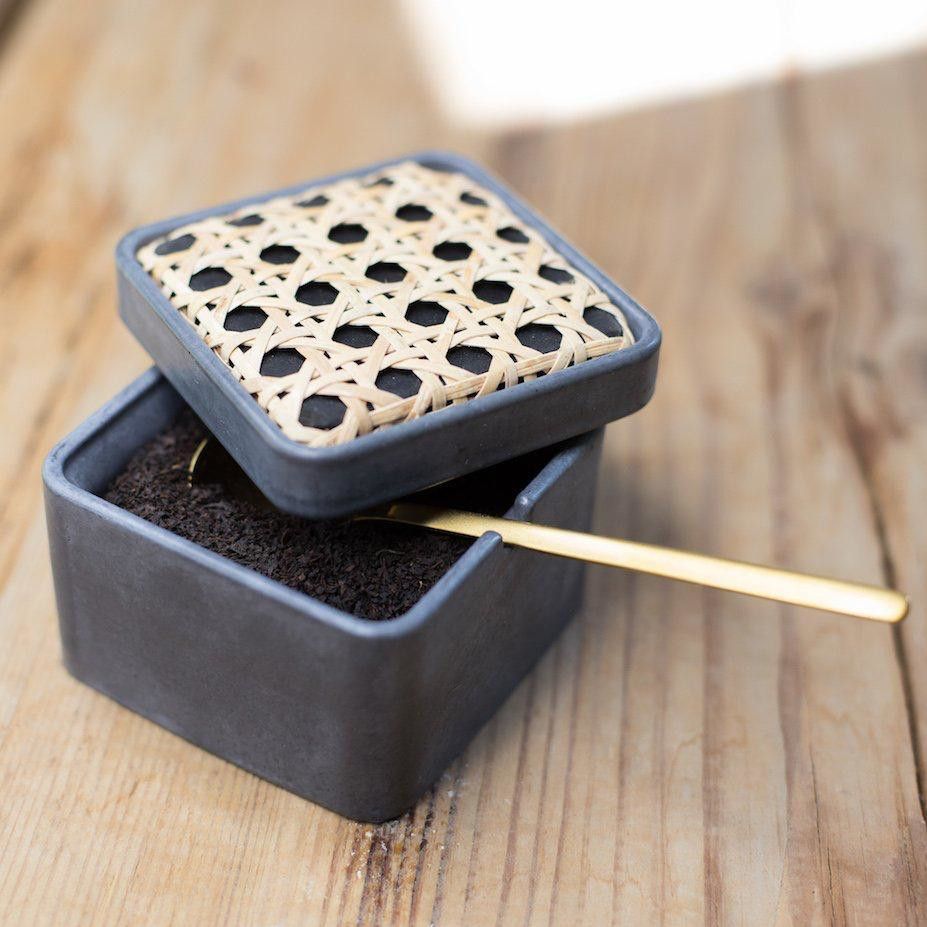
The elegant and homely Viennese weave celebrated its comeback in the furniture industry about 2 years ago and is still used in many different ways. The most famous piece of furniture with Viennese weave is probably the coffee house chair model number 14 by the company Thonet, which was designed by Michael Thonet in 1849. The weave is a special type of braiding with a pattern of six intertwined rattan palm strands. The honeycomb weave, an octagonal pattern, is typical of the Viennese weave. Some pieces of Viennese weave furniture are still made with loving handcraftsmanship today. However, due to industrialisation, Viennese weave is no longer a guarantee of craftsmanship nowadays, but it has also become more affordable.
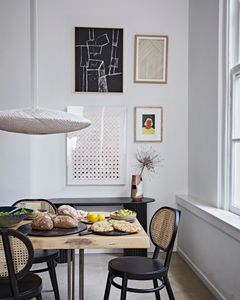
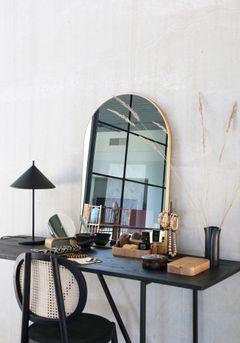
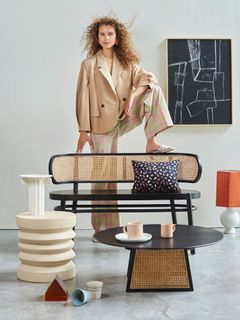
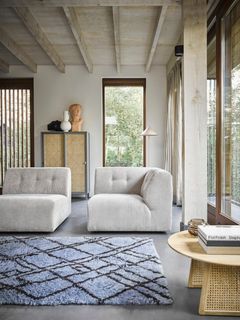
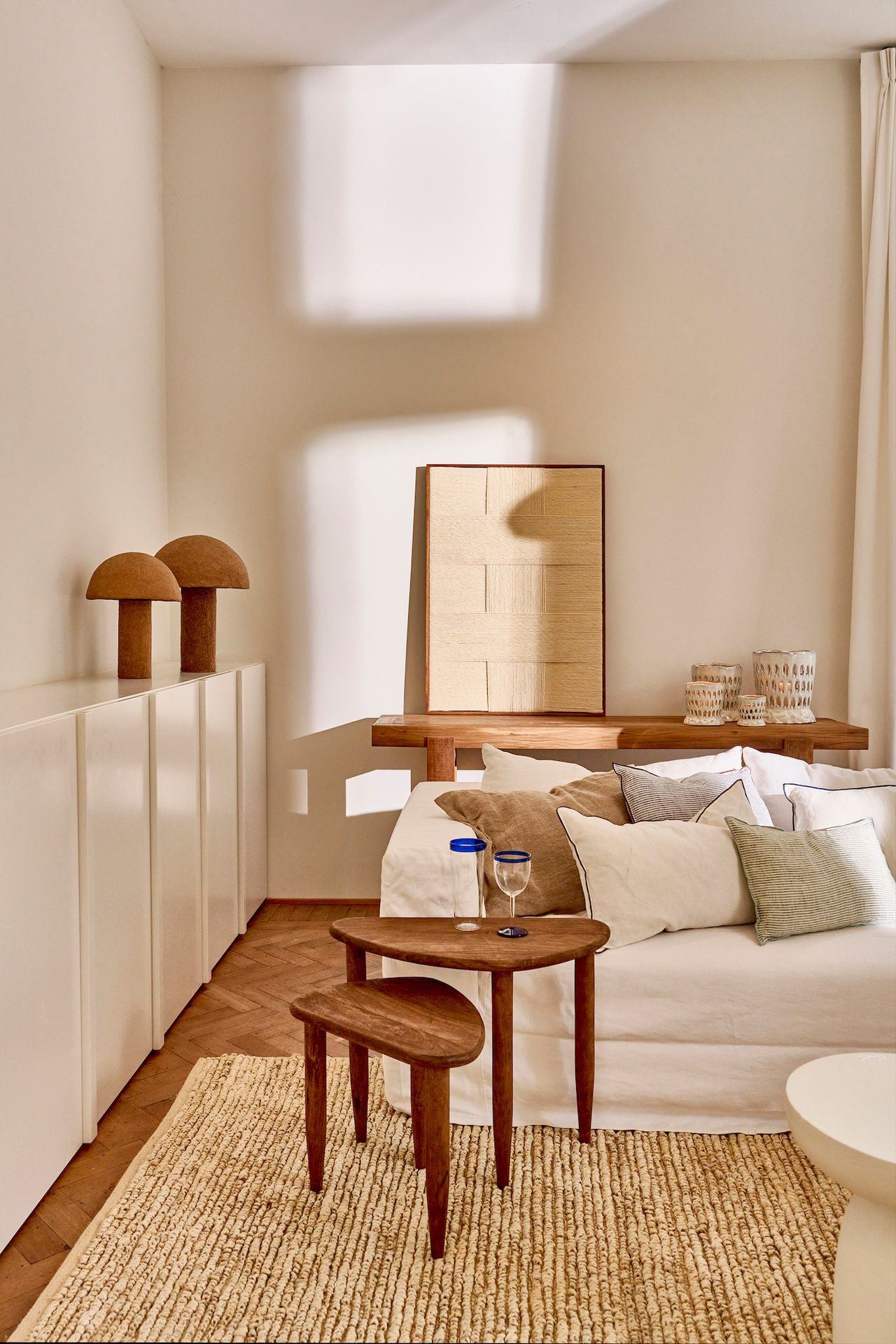
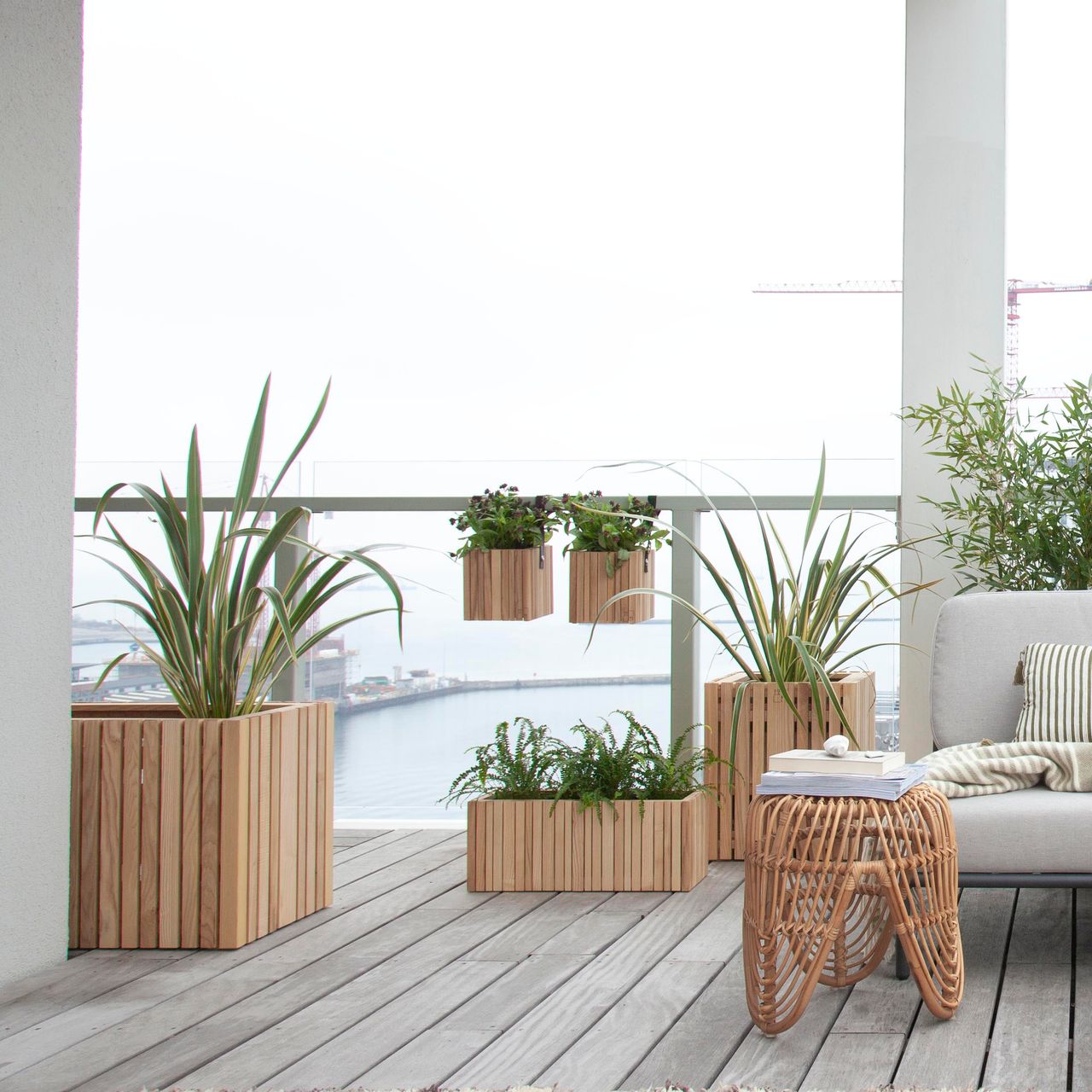
Newly interpreted, the weave brings stylish charm to one's own four walls - both on seating furniture and on decorative home accessories such as lamps, screens, chests of drawers, sugar bowls or even speakers. The use of the weave in outdoor areas also shows a sure sense of style. Despite its airy appearance, the Viennese weave is very stable and resilient. Viennese weave can also be found in our stagings. It looks very natural and gives the room a warm, cosy and yet elegant note.
Available at WOHNFEE - further info gladly by e-mail to
office@wohnfee.at